
Oral Healthy Habits for Kids
WHY ARE GOOD ORAL HABITS IMPORTANT FOR KIDS?
The oral habits your child establishes when they’re young will stick with them for the rest of their lives. Great at-home oral hygiene helps prevent common issues like gum disease and cavities and sets them up for a lifetime of healthy smiles. Because of this, it’s really important to make sure your child brushes and flosses regularly, and comes into our office every six months for a check-up.
THE BENEFITS OF GOOD ORAL HABITS
Building good oral health habits starts with parents. Here are just a few reasons you need to encourage your child to take better care of their teeth and gums.

Tooth decay is the #1 most common preventable oral health condition in kids and in dental patients of all ages. The good news is that with a healthy diet, good oral habits, and routine visits to the dentist, cavities are completely avoidable.
If your child takes good care of those pearly whites, they’re less likely to have problems like cavities or infected teeth. That means you won’t have to pay for procedures like fillings and crowns, and your little one won’t have to make as many visits to the dentist as they grow up.
What you learn as a child sticks with you. So if you encourage your children to brush regularly, floss daily, and see the dentist every six months, they’ll continue these habits into adulthood. That sets them up for a lifetime of healthy, happy smiles!
3 STEPS TOWARDS AWESOME ORAL HEALTH
STEP 1
BRUSH TWICE A DAY FOR TWO
MINUTES
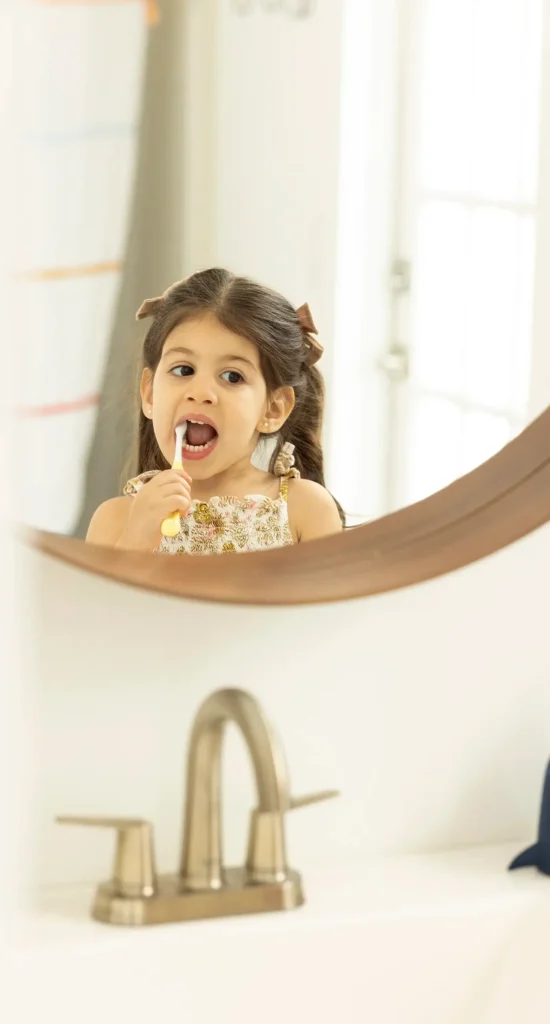
As soon as your child’s first tooth erupts, start brushing it with a smear (or rice-sized
amount) of fluoride toothpaste. Once they’ve got all their teeth, make sure to brush
twice a day for at least two minutes, and clean each surface thoroughly. Kids can
usually brush on their own around the age of 5-6, but you should keep an eye on them
to make sure they’re brushing consistently and doing a good job.
STEP 2
FLOSS ONCE PER DAY
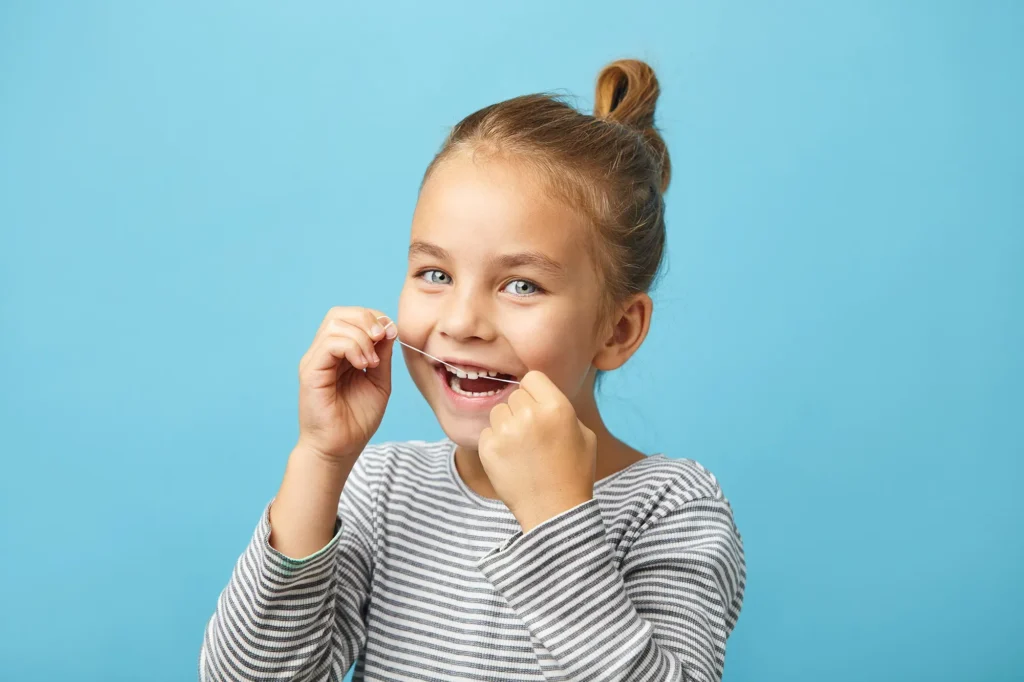
Once your child has all of their teeth, start flossing them once per cay. Flossing
removes bacteria and buildup between teeth, where toothbrushes can’t reach.
Learning to floss properly can be tough for younger kids, so you may need to floss for
them until they’re around 10 years old.
STEP 3
EAT A TOOTH-HEALTHY DIET
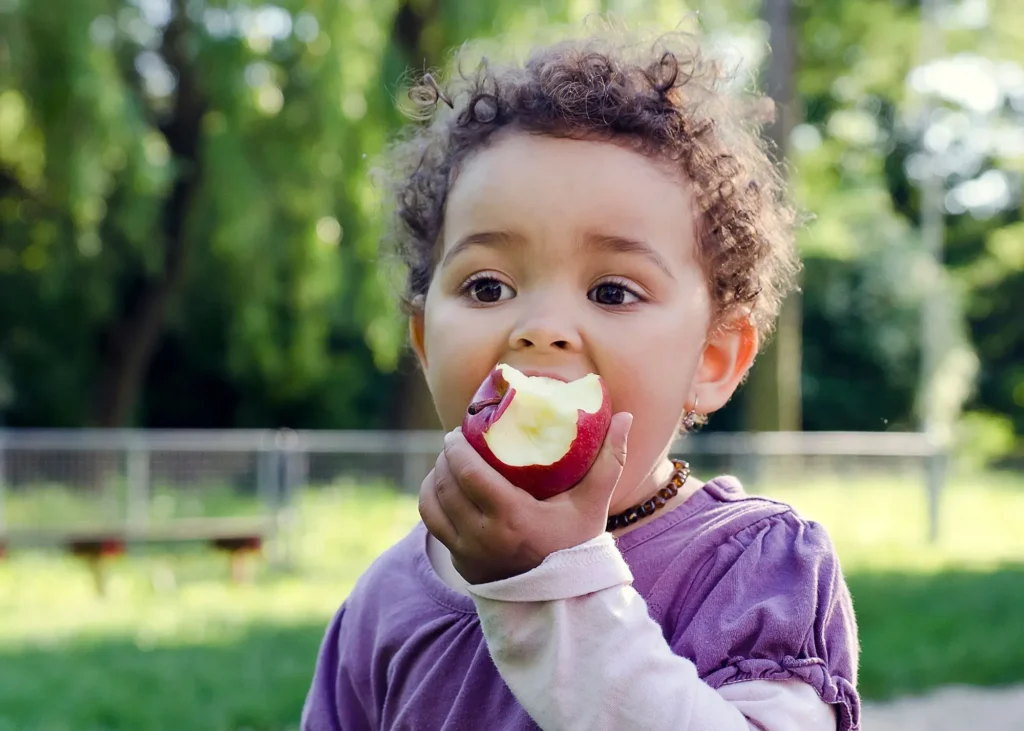
A healthy diet helps prevent common oral health problems like cavities. Your child
should avoid sweet and sugary drinks and snacks. Encourage them to eat things like
cheese, yogurt, lean meats, whole grains, and fresh fruits and vegetables. Avoiding
processed foods and sugary/starchy snacks helps prevent cavities and gum disease,
and will help improve both your child’s oral and overall health!
HAVE QUESTIONS ABOUT ORAL HEALTH HABITS? FIND ANSWERS HERE!
When should my child stop using a bottle?
You should start weaning your baby off bottles and pacifiers between the ages of 12-24 months. We encourage transitioning to an open cup once they turn two years old.
how can i make brushing teeth fun and engaging for my child?
Making brushing teeth a fun and engaging activity for kids is essential to encourage good oral hygiene habits. Here are some creative ideas to make toothbrushing enjoyable:
- Choose a Colorful Toothbrush and Toothpaste: Let your child pick out a toothbrush and toothpaste with their favorite color or character. Having a toothbrush that appeals to them can make brushing more exciting.
- Sing a Toothbrushing Song: Create a short and catchy song that your child can sing while brushing. You can make up your own lyrics or find toothbrushing songs online.
- Use a Timer: Use a fun timer (such as an hourglass or a toothbrushing app with games) to make sure your child brushes for the recommended two minutes. This can turn brushing into a game against the timer.
- Brush Together: Make toothbrushing a family activity by brushing your teeth alongside your child. They will enjoy mimicking your actions and spending quality time together.
- Storytelling Time: Tell a short story or create a toothbrushing adventure. For example, your child’s toothbrush can become a superhero on a mission to fight off “sugar bugs.”
When should I schedule my child’s first dentist appointment?
The ADA recommends bringing your child in for their first visit by the time their first tooth erupts, or by their first birthday — whichever comes first! At these early visits, we can ensure their teeth and jaw are developing properly, and address any minor issues before they become big ones. Plus, by starting their dental visits early, they are more likely to develop a positive relationship with their oral health.
How much toothpaste should my child use, and should it contain fluoride?
For children under 3, use a rice-grain-sized smear of fluoride toothpaste; for ages 3–6, a pea-sized amount. Fluoride is safe and important for preventing cavities as long as you supervise brushing so they don’t swallow it.
At what age can my child brush and floss on their own?
Most kids can brush on their own around ages 5–6, but they still need supervision to make sure they’re thorough. Flossing is trickier, so you may need to help until around age 10.
My child loves juice and sports drinks — how much do those affect their teeth in our Florida heat?
Sugary and sports drinks are a leading cause of cavities, and it’s easy to reach for them in South Florida’s heat. Try to limit them, offer water instead, and rinse with water after sweet drinks to protect enamel.
Are pacifiers and thumb-sucking harmful to my child's teeth?
Occasional sucking is normal for babies and toddlers, but prolonged thumb-sucking or pacifier use past ages 2–3 can affect how the teeth and jaw develop. We’re happy to help you plan a gentle weaning strategy.
Does my child need to floss, and when should we start?
Yes – flossing removes plaque between teeth where a brush can’t reach. Start as soon as two teeth touch, and make it a once-a-day habit. Kid-friendly floss picks can make it much easier.
Which snacks and foods are best and worst for my child's teeth?
Great choices include cheese, yogurt, lean proteins, whole grains, and fresh fruits and veggies. Limit sticky, sugary, and starchy snacks, which cling to teeth and feed cavity-causing bacteria.
Are electric toothbrushes better than manual ones for kids?
Both work well if your child brushes twice a day for two minutes and reaches every surface. Many kids find electric brushes more fun and easier to use, which can help them stay consistent.
Do you offer oral-hygiene coaching and nutritional guidance in Spanish?
Yes. Dr. Garber provides personalized brushing, flossing, and nutrition guidance in both English and Spanish, tailored to your child’s age and needs.
Can good habits at home really reduce our future dental costs?
Definitely. Kids with strong daily habits get fewer cavities and infections, which means fewer fillings and crowns and fewer trips to the dentist over the years – saving your family time and money.
We just moved to the Hallandale Beach area - how do we build a healthy routine and find a dental home?
Start with twice-daily brushing, daily flossing, and a checkup every six months. We’d love to be your dental home – schedule a first visit at our Hallandale Beach office by calling (954) 526-4884, and we’ll build a routine around your child.