Your child needs a crown, and your dentist gave you a choice. The decision between Zirconia vs. Stainless Steel Crowns comes down to four things: looks, strength, cost, and safety. Both protect a damaged baby tooth until it falls out. This guide breaks down each option in plain terms so you can choose with confidence.
Key Takeaways
- Zirconia wins on looks. These crowns are tooth-colored and blend in, making them the top pick for front teeth.
- Stainless steel wins on strength. One study found a 98% retention rate for steel crowns versus 92% for zirconia over 12 months.
- Steel costs less. Steel crowns run $300 to $900 per tooth. Zirconia crowns run $500 to $1,000.
- Both are safe. The main caution is nickel allergy, and zirconia is fully metal-free for kids with that allergy.
- Tooth prep differs. Zirconia needs more tooth reduction, while steel needs very little.
- Your dentist matches the crown to the tooth. The right choice depends on the tooth location, your child, and your budget. Still, the most common crown is a posterior zirconia crown.
Which Is Better, Zirconia or Stainless Steel Crowns?
Neither crown is better in every case. The best crown depends on the tooth and your priorities.
Choose zirconia for a visible front tooth or a child with a metal allergy. Choose stainless steel for a hidden back molar, a tight budget, or a tooth under heavy chewing force.
Both crowns do the same core job. They cover a decayed or damaged baby tooth, restore chewing, and hold space until the adult tooth comes in.
What Are Pediatric Dental Crowns?
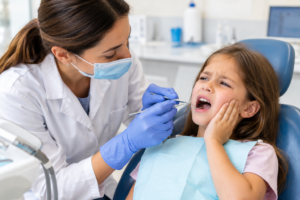
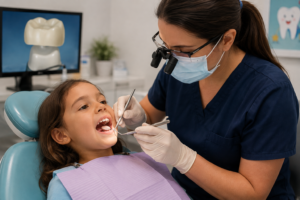
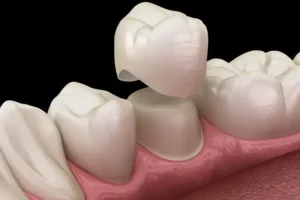
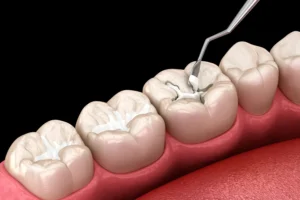
A pediatric dental crown is a cap that covers a damaged baby tooth. It restores the shape, strength, and function of the tooth.
Dentists recommend a crown when a tooth has large decay, a big filling, or a pulpotomy, which is a baby root canal. A crown protects that tooth until it falls out naturally.
Preformed crowns are the standard for primary molars with decay on two or more surfaces, according to the American Academy of Pediatric Dentistry. They seal out further decay better than a standard filling.
Pediatric Zirconia Crowns: Pros and Cons
Zirconia crowns are made from a strong, tooth colored ceramic. Brands like NuSmile and EZ-Pedo introduced them for kids, and parents most often choose them for teeth that show.
Zirconia Crowns Pros
- Natural look. The tooth colored ceramic blends with the rest of the smile, which is why parents pick it for front teeth.
- Metal-free and biocompatible. Zirconia contains no metal, so it suits children with a nickel allergy.
- Smooth surface. The polished surface resists plaque, which supports healthier gums around the crown.
- Stain-resistant. Zirconia holds its color and resists chipping over time.
Zirconia Crowns Cons
- More tooth reduction. The dentist removes more tooth structure to fit a zirconia crown.
- Higher fracture rate. One 12-month study reported cracks or failure in 10% of zirconia crowns versus 2% of steel crowns.
- Needs a dry, calm field. Zirconia bonds best when the tooth stays dry, so it works better with a cooperative child.
- Costs more. Zirconia crowns carry a higher price than steel.
Stainless Steel Crowns: Pros and Cons
Stainless steel crowns have protected kids’ teeth for decades. They are prefabricated, fitted in one visit, and backed by a long clinical track record.
Stainless Steel Crowns Pros
- Very durable. Steel crowns handle strong chewing forces and rarely fracture.
- Budget-friendly. They cost less than zirconia, and most insurance plans, Medicaid, and CHIP cover them.
- Fast, one-visit placement. The dentist fits a preformed crown chairside with minimal tooth reduction.
- Proven track record. The American Academy of Pediatric Dentistry recommends them for primary molars with heavy decay.
Stainless Steel Crowns Cons
- Silver color. The metal look stands out, so dentists reserve steel for back molars that stay hidden.
- Contains nickel. A child with a known nickel allergy needs a metal-free option like zirconia.
- Possible gum irritation. A small number of kids show mild gum inflammation around the metal edge.
Are Stainless Steel Crowns Toxic?
Stainless steel crowns are safe and one of the most studied treatments in pediatric dentistry. They contain no mercury, which is a different material used in old fillings.
The crowns are made mostly of iron, chromium, and a small amount of nickel. The amount of nickel released is very small, and the metal is similar to what braces use.
The one real caution is a nickel allergy, which is rare in young children. If your child reacts to metal, tell your dentist and ask about zirconia. You can read more on crown safety from the National Library of Medicine.
Zirconia vs. Stainless Steel Crowns: Side by Side
The table below compares the two crowns on the factors that matter most to parents.
| Feature | Zirconia crown | Stainless steel crown |
| Appearance | Tooth colored, blends in | Silver metal, visible |
| Material | Metal-free ceramic | Steel, chromium, some nickel |
| Strength | Strong, more prone to cracking | Highest fracture resistance |
| Tooth prep | More tooth reduction | Minimal tooth reduction |
| 12-month retention | About 92% | About 98% |
| Price per tooth | $500 to $1,000 | $300 to $900 |
| Best for | Front teeth, metal allergies | Back molars, tight budgets |
How Do They Compare on Appearance and Aesthetics?
Zirconia leads on appearance and aesthetics. The ceramic matches natural tooth color and looks seamless in the smile.
Zirconia crowns look more aesthetic and natural compared to Stainless steel crowns.
Stainless steel shows its silver color. That look is fine for a back molar, and it stands out on a front tooth. For a visible tooth, most parents choose zirconia.
How Do They Compare on Strength and Durability?
Both crowns rate high on strength and durability, and steel has the edge. Research shows steel crowns hold a 98% retention rate at 12 months versus 92% for zirconia.
Steel also flexes to grip the tooth, which lowers its fracture rate. Zirconia is hard and strong, and it cracks more often under heavy force. For a molar that takes hard chewing, steel is the safer bet.
What Is the Procedure and Tooth Preparation Like?
The procedure and tooth preparation differ between the two crowns. Both start with the dentist numbing the area and removing decay.
- Stainless steel. The dentist trims a small amount of tooth, selects a preformed crown, and cements it in one visit. The preparation for the tooth is more technique-sensitive than stainless steel, which is why not every pediatric dentist may offer it, since they may not be trained to do that restoration.
- Zirconia. The dentist removes more tooth structure to fit the thicker ceramic, then cements the crown on a dry tooth.
Both visits take similar time. A calm, cooperative child helps the zirconia placement, since the tooth must stay dry.
What About Cost and Insurance?
Cost and insurance often guide the final decision. Steel crowns cost $300 to $900 per tooth without insurance. Zirconia crowns cost $500 to $1,000 per tooth. Insurance may or may not cover the zirconia crown. Usually, it doesn’t cover either crown 100%.
Most dental plans treat crowns as a major procedure and cover about 50% of the cost after the deductible. Medicaid and CHIP cover steel crowns in most states because they count as medically necessary.
Add-on costs can apply. A pulpotomy adds $150 to $400, and sedation adds more. Ask your dentist for a written estimate before treatment.
What Is the Healthiest Crown for Teeth?
The healthiest crown for teeth is the one that fits your child. Both crowns seal the tooth, stop decay, and protect the adult tooth forming beneath the surface.
Zirconia suits kids with metal sensitivity, and its smooth surface supports gum health. Stainless steel gives proven, long-lasting protection for back teeth. Your pediatric dentist weighs the tooth, your child, and your budget to guide you.
Summary
The choice between Zirconia vs. Stainless Steel Crowns rests on four factors. Zirconia gives a natural look and a metal-free option. Stainless steel gives the strongest, most affordable protection.
Match the crown to the tooth. Pick zirconia for visible front teeth and metal allergies. Pick steel for hidden molars and tight budgets.
Your Hallandale Beach pediatric dentist can help you make the right call for your child. At Glowing Smiles Pediatric Dentistry, founder Dr. Yamila Garber and our team provide specialized pediatric zirconia crowns to families in Hallandale Beach, FL, and nearby areas.